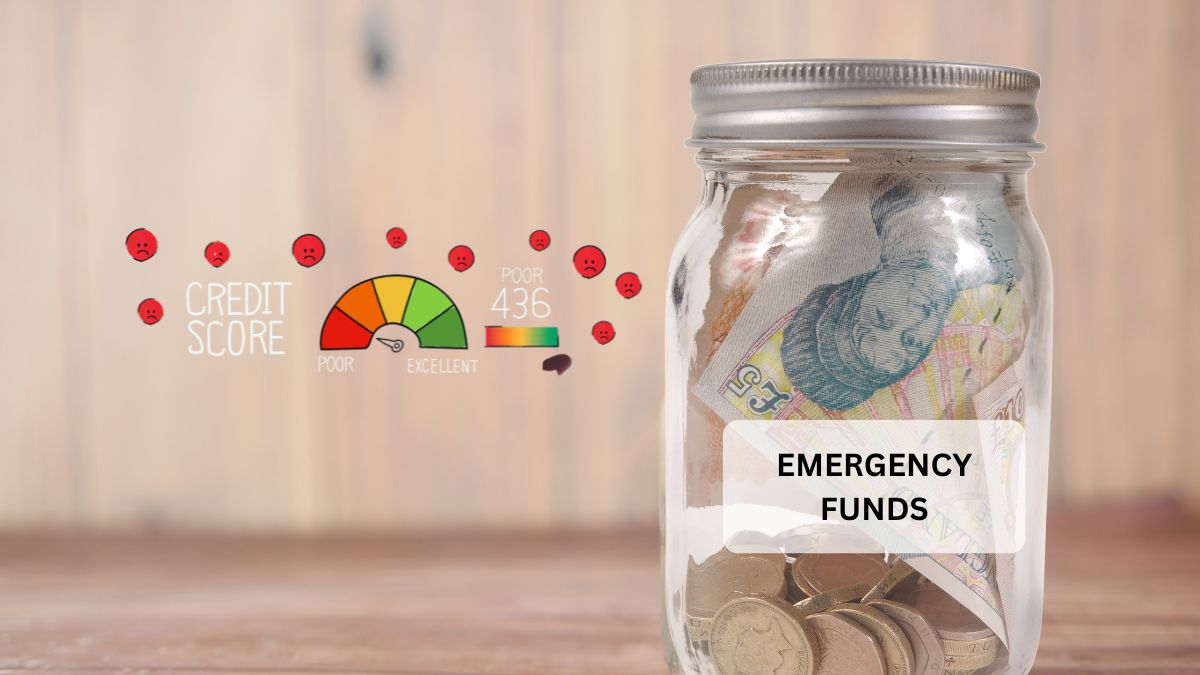
Building an emergency fund with a low credit score may seem difficult. But it is the most powerful way to protect yourself from future shocks. It may help you counter serious surgeries, prevent eviction or finance funeral costs without delay. Moreover, you don’t need to depend on loans and credit cards for your needs afterwards.
An emergency fund, which works as a savings account for unplanned expenses, may help you save enough. You may even benefit from the interest that you earn on it. The blog details how you can build an emergency fund with a low credit score.
What is an emergency fund?
An emergency fund is a savings account that you create and use only for unpredictable expenses. It is usually ideal to save money for 3-6 months consistently in an emergency fund. Understand your income, liabilities and monthly savings. Check how much money you can put towards the emergency fund. It should be a fixed amount you need to save monthly. You can begin with a small amount, for example, €100.
You can increase/decrease the amount according to your income, liabilities and expenses. You can continue to save towards emergency funds even if you have enough savings for 6 months and beyond. This is because you cannot predict how much money you may need at the time of financial distress. It may prove helpful in situations like unemployment, business loss, slow seasonal sales, no savings, low income, etc.
What can you do to get cash immediately if you lack an emergency fund?
You can ask your friends, family and roommates for urgent cash help. If you don’t get a loan there, check urgent loans for bad credit in Ireland online. It may help you get cash quickly in your bank account.
You don’t need to engage in detailed documentation, nor do you need to provide collateral. Instead, you need to provide a relevant income for verification. It helps lenders determine how much you can qualify for.
Why does an emergency fund matter the most if you have bad credit?
An emergency fund may prove helpful if you have bad credit because borrowing is expensive and sometimes unavailable when you need cash the most. Here, an emergency fund reduces the reliance on high-cost loans and credit cards for unexpected car repairs or bills.
Instead, you can tap the fund and withdraw the amount you need to cover an urgent expense. Here are other reasons to develop an emergency fund for a bad credit score:
No fear of paying penalties
Checking on high-cost financial facilities means you may pay extra on interest and total if you miss payments or default on the loan. An emergency fund saves you from that.
No chance of debt accumulation
Don’t fear getting into a debt trap. You never borrow to attend to an urgent expense. Instead, you can check emergency savings for help.
Ensure mental and financial wellbeing
An unpredictable financial need may create panic-like situations. It hampers peace, and one may face severe consequences if they don’t tackle the need urgently. Similarly, sudden expenses affect financial wellbeing and stability. It may affect the balance between leading a comfortable life and meeting liabilities.
Reduces dependency on loved ones
Having access to real money means you can pay for cash needs like car repairs, medical emergencies and boiler repair all by yourself. You don’t need to bother your loved ones for that.
How to decide how much to save for an emergency fund?
If you are creating an emergency fund despite bad credit history, the following tips may help. However, before creating an emergency fund for bad credit, use a staged approach. Don’t stick to 3-6 months of fixed and standard emergency fund savings. Instead, follow the approach that suits your finances and is affordable.
Stage 1: Starter Buffer (€300-€500)
You can use this amount to save for small emergencies like a broken appliance, a small car repair and an unexpected bill.
Stage 2: Core buffer (€1000)
It is a more meaningful safety net for larger repairs or a short income gap. Many experts suggest reaching £1,000 before aggressively tackling non‑priority debt.
Stage 3: Full emergency fund (essential costs)
Rent/mortgage, utilities, food, transport, minimum debt payments. You can build to this over time once high‑interest debt is under control.
If you’re on benefits or very low income, your first target might be enough to cover one or two essential gaps (e.g., meter top‑up, prescription, bus fare) without borrowing.
How to create an emergency fund with a bad credit score?
Here is the process of creating an emergency fund with a bad credit score:
Step 1- Work out how much you can save
Identify your income and the amount you spend on essential costs. Check how much you have in savings. It will help you identify how much you can realistically save. Decide a small weekly/monthly amount you can save.
Step 2- try 5-20/week without cutting costs
Try to save money as per your existing expenses. You can check the following aspects to calculate the savings:
- Unused subscriptions
- Mobile and broadband deals
- Grocery swaps
- Energy and bills
- Sell unused items
- Cashback and rewards
Step 3: Choose the right place to keep your emergency fund
Your emergency fund should be:
- Easy to access (no long notice periods)
- Separate from your everyday spending
- Safe and ideally interest‑bearing
You can check out:
- Easy-access savings account
- Create a separate account “pot” with your current account
- Consider a Cash ISA
Step 4: Automate the small contributions
You can set up an automatic transfer for a fixed amount from your bank account. It reduces the hassle of setting reminders.
Apart from savings, you can also use windfall gains, birthday money, overtime and cash from selling items towards the emergency account.
Bottom line
Thus, you can create an emergency fund by understanding the amount that you can save confidently. Identify the purposes you usually find yourself cashless. Alternatively, you can use the funds for unplanned expenses. Set a fixed amount for the emergency fund. You can save according to what you can afford.

Jane Eliot is a senior finance content writer with over 6 years of experience in the financial services industry. She specialises in creating accurate, informative, and reader-focused content covering personal loans, bad credit loans, business finance, car finance, debt consolidation, mortgages, and other financial products.
Jane is currently a lead content writer for an Ireland-based finance website, where she develops comprehensive loan guides, comparison articles, and educational resources tailored to the Irish market. Her content is designed to help readers understand their borrowing options, compare financial products, and make informed financial decisions with confidence.